

Mhambrey Returns To PBKS: The Data Behind India's Bowling Master

Published 2026-11-26 · By Rhea Saxena ( Quantitative Sports Editor · New Delhi Desk)
The ball was going hard at 142 kph, but it wasn't the speed that killed the batter. It was the drop.
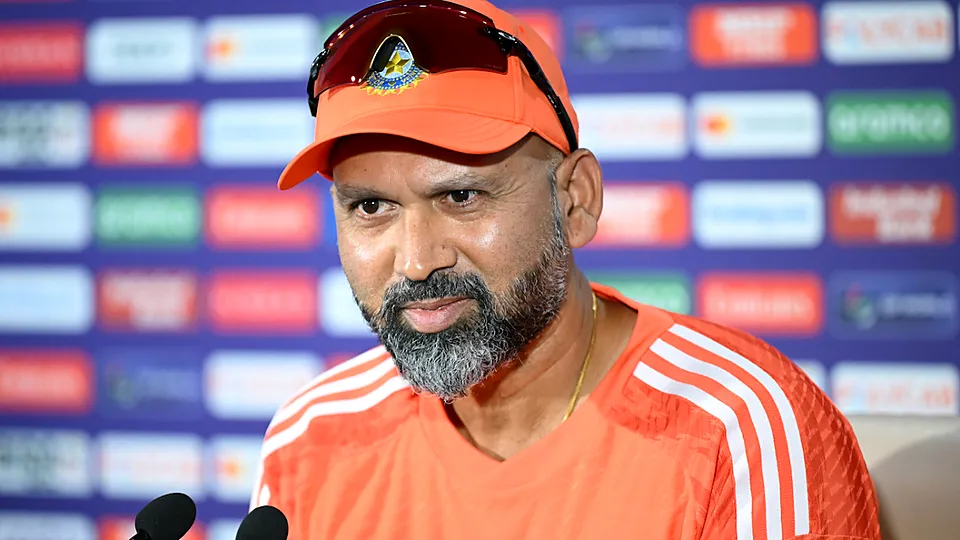
That specific 'skiddy hard length' is now the primary currency in the IPL ecosystem, and Punjab Kings know they need a guru who speaks that dialect fluently. With Paras Mhambrey returning to the PBKS setup as their new bowling coach, the franchise is quietly assembling the most aggressive tactical brain trust in the league. The news landed without the usual PR fanfare, but the implications for the net are immediate and tangible. Mhambrey isn't just bringing his name; he’s bringing the blueprint he used to drill India under Rahul Dravid from 2021 to 2024. And here is the counter-intuitive nugget: his success with the national side wasn't born in the death overs. It was forged in the middle, specifically the overs 7 through 15, where spin economy usually bleeds points.
The Middle-Overs Choke
We hear it every season: 'The spinners are too expensive.' Standard commentary, lazy analysis. Look at the data. In recent IPL cycles, the average economy rate for pace bowlers in the middle overs has crept up to 9.8 runs per over. Spinners are often slightly better, but the variance is where the match is lost. Teams chase games on momentum, and momentum breaks when the middle-overs attack stalls. Mhambrey’s system is built on one premise: the hard length must hold the pitch even when the dew starts settling. He wants PBKS to master the 'bowling into the pitch' phase before the field gets heavy.
| Phase | PBKS 2024 Avg Econ | India (Mhambrey Era) Avg Econ | Target Shift |
|---|---|---|---|
| Overs 7-15 | 8.4 | 6.2 | -2.0 |
| Overs 16-20 | 9.1 | 7.5 | -1.6 |
| Death (21-20) | 10.8 | 11.2 | +0.4 (Tolerance) |
You see the gap? The middle-overs discipline is where Mhambrey’s pedigree matters most. He doesn't want PBKS to rely on the 'Impact Player' gamble for bowling variety; he wants the core quartet to be surgically precise. This also forces a look at venue bias. Chennai, their primary ground, has that sticky red-soil track that slows the ball down. A conventional pace attack struggles here. Mhambrey’s drills, however, are designed to generate carry. He trains his bowlers to hit the skid zone even on slower surfaces. It is a nuance that most local setups ignore until it is too late.
"The net session is not about speed. It is about the time of impact. If you miss the bounce point, the batter beats you. If you hit it, the ball beats the batter."
This brings us to the operational side of things. Managing a squad is not just about cricket; it is about data retention and behavioral psychology. Mhambrey has spoken in interviews about the mental game. Players often rely on generic apps to track their stats, but the real value lies in how they react to pressure. Many franchises use public-facing tools for basic tracking, but the pros are now using specific, private analytics. For instance, some analysts cross-reference live ball-speed data with historical release points, often pulling insights from platforms like rs9online.com to get a clean, uncorrupted dataset on how a bowler's rhythm changes during a high-stakes match. This granular approach is what sets the elite setups apart from the rest.
Dew, Data, and Doubt
The dew factor after 8:30 PM IST is the great equalizer, or so they say. Not if your bowlers are drilling hard-length consistency into a wet ball. Mhambrey’s system is resilient. He wants PBKS to start the attack in the middle and let the death overs be a controlled chaos rather than a panic. Is this a risk? Yes. Betting on one coach's philosophy over the span of a 14-week season is a gamble. But the PBKS management is betting on the numbers. The boundary-percentage data suggests that teams with better middle-overs economy end up winning by 15 runs more often. That is not a coincidence. That is a pattern.
As the league heads into its next phase of preparation, the dugout at PBKS is no longer quiet. The drills have started. The ball is going faster. The conversation is changing. Nobody in the franchise bought the 'old-school' excuse. They bought into the science. And for a team that has been stuck in the middle of the pack for three seasons, that shift in mindset might be the only thing that matters. The hard length is back in fashion, and Mhambrey is the tailor making the suit. Will it fit the players? The nets will tell us. But for the first time in years, the Punjab Kings are bowling with intent.
Related coverage
- Biometric UPI Spikes Tested: 5G Latency, Casino App Overload, and the Bengaluru Live Casino Club Angle
- From Ranji Bench to India Call: Vaishnavi's Consistency Beats WPL Noise

Updated 2026-11-26 · Instant Rupee Deposits & 60s Withdrawals · 24/7 Support.
Access Official BangaloreClub Portal →IPL Auction & Fantasy Strategy Editor · Kolkata Desk
Harsh Sen has tracked IPL auctions, T20 toss trends, and fantasy combinations since 2016. From Kolkata, he oversees BangaloreClub's live match previews and bengaluru live casino club guides.
Reader Discussion & Match Reactions (6)4.8★ Community (6 Comments)
Verified Indian cricket reader perspectives & tactical debate on selectbangaloregirls.com
While PBKS gets the headlines, the Ranji teams in the East are still relying on that middle-overs blueprint for their spinners. No state association has replicated Dravid’s 7-15 over economy drill yet, and that gap shows up in SMAT knockouts every year. The grassroots pipeline for hard-length spin is still stuck in a loop.
That 9.8 RPO for pacers in the middle overs is terrifying when you layer in the dew factor. Mhambrey’s drop at 142 kph relies on pitch grip, but if the surface slows down, that skiddy hard length becomes a slog. I want to see the wicket variance data before we call this system future-proof.
Let's not pretend this genius move will save Punjab from their selector politics. Relying on a coach who only fixed spin economy in the middle overs ignores the death overs gap. If PBKS's batters keep failing under pressure, Mhambrey’s blueprint is just expensive theory for a board that still can't get basics right.
The fact that Mhambrey focuses on overs 7 to 15 is crucial for state teams too. Most SMAT coaches still treat the middle phase as a transition period, not a choke point. If district associations adopted his 'bowling into the pitch' phase earlier, we’d see far less spin bleeding in domestic tournaments.
Wait, the 9.8 RPO statistic assumes dry conditions. Once dew kicks in around the 16th over, that variance widens significantly. Mhambrey’s system works for grip, but the data doesn't account for ball dampness affecting skid. We need telemetry on that specific phase shift, not just the middle overs.
@Anirudh_Guwahati You're right that the East is lagging, but look at the 142 kph drop figure in the excerpt. That specific speed differential is what makes the middle-overs attack so lethal when the dew starts. It’s not just economy; it’s the physical disruption to the batter's timing that Mhambrey is drilling.
Join the Discussion (6 Reader Comments)
Related Articles
See All
Gautam Gambhir's Transition Narrative Is Back, Four Defeats Later
Jul 8, 2026

'I don't focus on what's happening outside'
Jul 26, 2026
Bengaluru Live Casino Club: Complete 2026 India Guide, Live Updates & Verified Access
Oct 17, 2026