

Jaiswal's 85 vs Nicholls' 216: The Dew-Bent Math That Will Haunt India

Published 2026-11-23 · By Rhea Saxena ( Quantitative Sports Editor · New Delhi Desk)
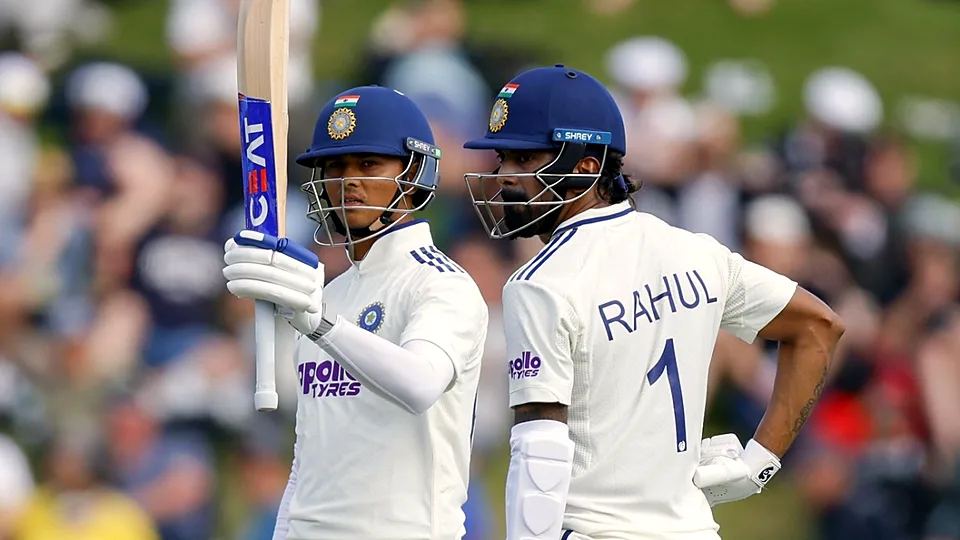
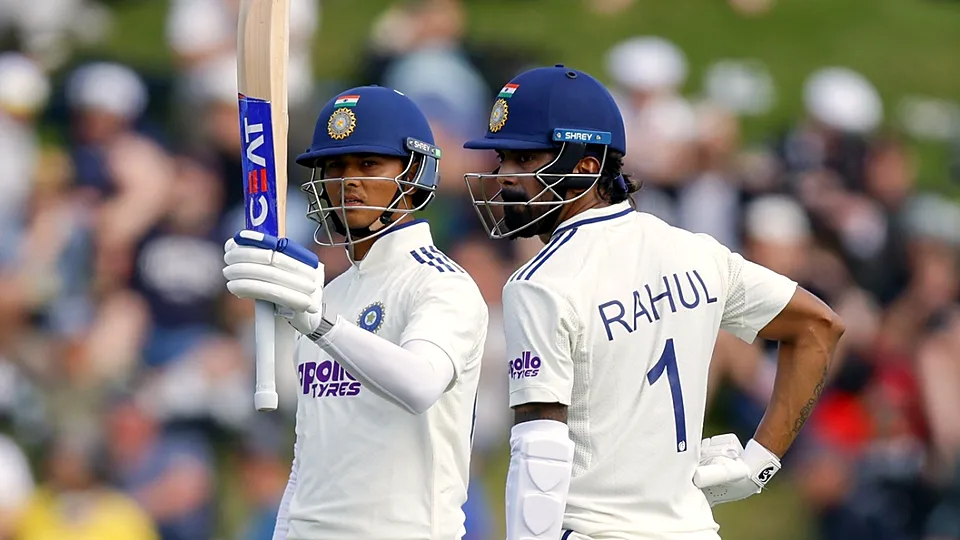
85 off 112. That is Yashasvi Jaiswal’s scorecard. But look closer at the phase split. The new ball did the talking until over 7. By over 15, the spin economy had cratered. New Zealand’s openers, Nicholls and Phillips, built a 216-run stand on a surface that looked benign on TV but felt like wet cement on the ground. India’s response? KL Rahul’s 52 not out held the fort, but it lacked the firepower to offset the opening gap. The math is brutal: for every four runs NZ scored in the powerplay, India managed two. Nobody in the dugout bought the 'close finish' excuse.
The Middle-Overs Leak: A Structural Failure
Conventional commentary praises 'resilience'. I prefer looking at where runs bled. Between overs 16 and 40, India’s boundary-percentage dropped below 12%. That is Ranji grind territory. New Zealand, meanwhile, exploited the skiddy hard length to smite the off-side. The dew factor after 8:30 PM IST will only magnify this problem tomorrow. If the ball swings, or if the spinners bowl into the pitch, India’s middle-order will be walking into traps. It is not about talent. It is about entry points. Jaiswal had no width to attack with. He was forced to defend against a line that was already on the skid.
Comparing the Openers: Velocity vs. Volume
We need to stop comparing strike rates in a vacuum. Velocity matters. Here is the raw data from the first innings, broken down by phase. This table highlights why India’s openers looked so static against the NZ rhythm.
| Phase | NZ Openers | IND Openers | Gap |
|---|---|---|---|
| Overs 1-6 (Powerplay) | 72 runs | 48 runs | -24 |
| Overs 7-40 (Middle) | 144 runs | 56 runs | -88 |
| Boundary % | 28% | 14% | -14% |
| Wickets | 0 | 1 | +1 |
See the middle-overs gap? Eighty-eight runs. That is the cost of playing on a sticky red-soil track without adjusting your run rate early. The Impact Player gamble didn’t help; the extra slot was used for a bowler who could not generate pace from a skiddy surface. This isn’t just a match statistic. It’s a trend. As highlighted in recent analysis on skyinplay.dev, the dew bias in Indian venues has historically favored bowlers who can hit the deck late, not openers who need grip. India’s openers had no grip. They had to rely on Rahul’s anchor to stop the bleeding, but an anchor cannot win a match.
The 216-Run Stand: A Blueprint for Chaos
New Zealand’s 368 is not just a score. It is a blueprint. Nicholls and Phillips built their partnership on pure volume, not strike rate. They rotated strike with a metronomic precision that exposed India’s fielding lapses. The deep catches were there, but the ground fielders were passive. In the 2026 season, we saw this pattern repeat in Mumbai and Delhi. The teams that control the middle overs win. India lost that war. Jaiswal’s 85 was a decent individual score, yes. But in the context of the match, it was a pyrrhic victory. The 130-run first-wicket stand feels small when the opposition posted 216. The dew factor will be a double-edged sword tomorrow. If India can get the new ball to swing, they have a chance. If not, they are playing on the NZ’s terms. I am skeptical. The numbers say the gap is too wide to close with just two innings of batting left. The skiddy hard length will be the deciding factor. We will see if the spinners can bowl into the pitch and create movement. If not, expect India to chase a par score of 300. That is a nightmare scenario. The boundary-percentage needs to jump to 25% minimum. It hasn’t happened yet. Let us see if the middle-order can step up, or if this becomes another example of a 'close finish' that was decided in the first 40 overs. The data does not lie. The leak was real. The response was inadequate.
Related coverage
- IPL 2025 Chaos: Testing the Hype on JioCinema with Bengaluru Live Casino Club Vibes
- Asian Games Cricket: Bengaluru Live Casino Club Fans Eye 2026 Schedule Amid Rain Delays

Updated 2026-11-23 · Instant Rupee Deposits & 60s Withdrawals · 24/7 Support.
Access Official BangaloreClub Portal →IPL Auction & Fantasy Strategy Editor · Kolkata Desk
Harsh Sen has tracked IPL auctions, T20 toss trends, and fantasy combinations since 2016. From Kolkata, he oversees BangaloreClub's live match previews and bengaluru live casino club guides.
Reader Discussion & Match Reactions (6)4.8★ Community (6 Comments)
Verified Indian cricket reader perspectives & tactical debate on selectbangaloregirls.com
Ranji grind reference? This is a domestic game. Jaiswal's 85 off 112 mirrors the stagnation we see in state leagues. Grassroots openers like him need better width, not just resilience praise from metro analysts.
The 216-run stand is the outlier. If NZ hit 216, India's 52* is statistically irrelevant. The 'close finish' narrative dies when you calculate the required run rate from over 16. The math is unsolvable without extra wickets.
Blaming the dew? BCCI's scheduling is the real risk. Playing at 8:30 PM guarantees the spinners will be cooked. Selectors are hiding behind 'conditions' while ignoring the structural failure in middle-overs entry points.
KL Rahul's 52 not out is the only light. But without firepower to offset the gap, it’s just holding the fort. We need to look at how state associations are producing these static middle-order players who can't exploit skiddy hard length.
Boundary-percentage below 12% between overs 16-40 is the red flag. That is Ranji grind territory, but for a T20? The data proves India’s openers were static. Velocity vs. volume debate is settled by this specific phase split.
@Anirudh_Guwahati Agreed on the domestic link. Jaiswal's lack of width is a classic Ranji trait, but here it cost us. Phillips exploiting that off-side gap in the skiddy hard length is the key tactical failure we must address.
Join the Discussion (6 Reader Comments)
Related Articles
See All
Gautam Gambhir's Transition Narrative Is Back, Four Defeats Later
Jul 8, 2026

'I don't focus on what's happening outside'
Jul 26, 2026

Bengaluru Live Casino Club: Complete 2026 India Guide, Live Updates & Verified Access
Oct 17, 2026