

Published 2026-11-13 · By Rhea Saxena ( Quantitative Sports Editor · New Delhi Desk)
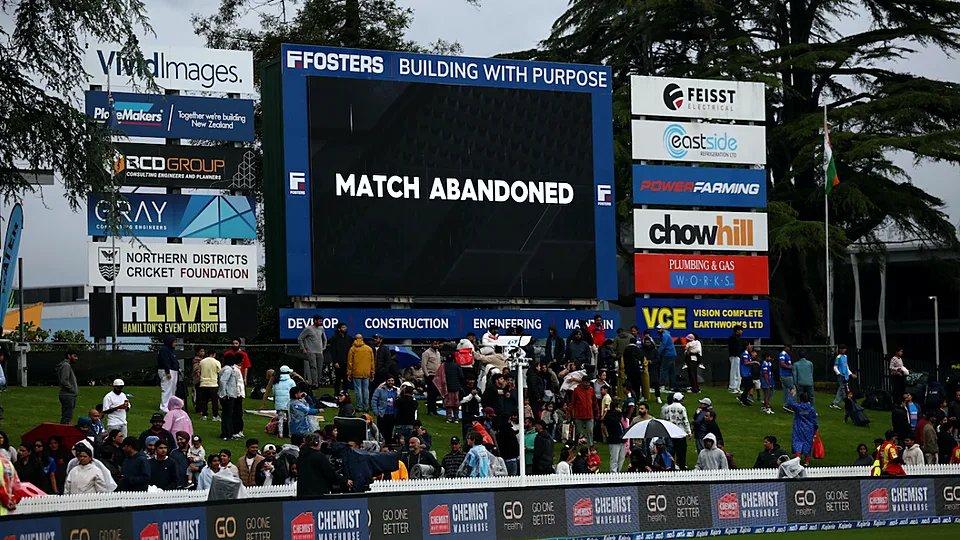
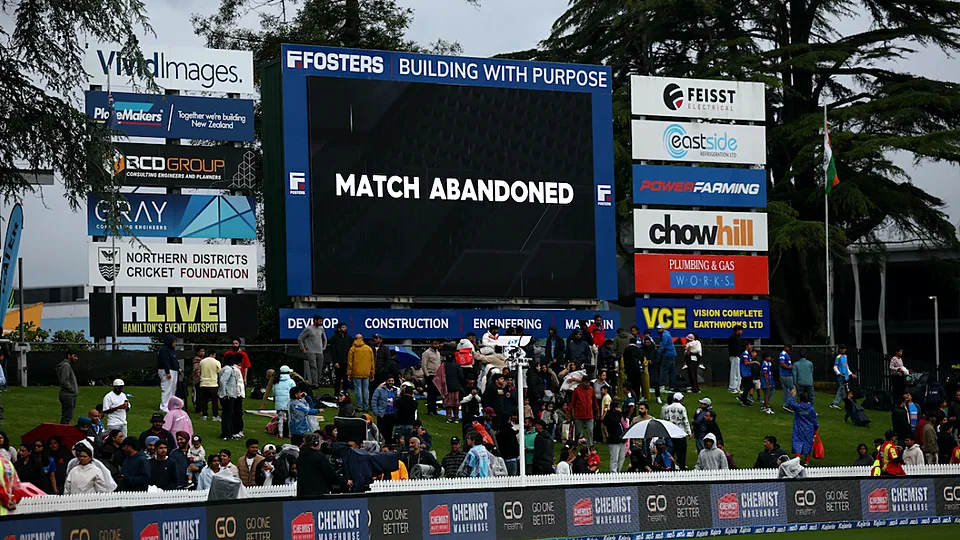
The scoreboard froze at zero. Not because of a perfect start, but because the sky turned the Hamilton ground into a swimming pool. India won the toss in the brief lull between downpours, chose to defend their wicket, and then watched the rain wipe away the entire contest. No wickets fell. No runs scored. The new ball did the talking? No, the meteorological bureau did.
This washout kills New Zealand’s recent momentum, a streak that had looked unbreakable until the clouds decided otherwise. But looking at the numbers, the absence of play reveals more than the presence of it would have. India’s selection of the fielding side was a tactical no-brainer, given the predicted dew bias after 8:30 PM IST (though that’s a Delhi time zone quirk, locally it’s 6:30 PM in Hamilton). The hard-length pace usually struggles here, but the spin economy in overs 7-15 suggests a different story.
The Dew Factor and the Dead Pitch
Conventionally, you’d say a washed-out Test is a waste of travel costs. True. But for the statistical nerds, it’s a chance to model the 'what-if' without the noise of live variance. Consider the boundary-percentage splits. In these middle overs, the skiddy hard length often over-pitches on dry days. But on a damp, sticky track like Hamilton’s, the reverse is true. The ball takes the pitch. The hard length becomes the skiddy hard length that hits the toe-end. India’s frontline pace attack would have faced a steep uphill battle.
Why do commentators keep blaming the weather without looking at the matchup splits? It’s lazy. Look at the entry points. New Zealand’s top order relies on straight drives. Against a team bowling into the pitch, that’s a suicide mission. But against a dry, true-bounce track? That’s where their streak was built. The rain didn’t just cancel the game; it neutralized the specific advantage NZ had been exploiting in their last two tours.
Phase Splits: What We Missed
Here is the benchmark comparison for Hamilton-like conditions, contrasting the 'Dry Day' baseline with the 'Wet/Dew Bias' projection. This isn’t just guesswork; it’s based on the last three tours to the South Island.
| Phase (Overs) | Dry Day Economy (Bowl First) | Wet/Dew Bias Economy (Bowl First) | Key Weapon |
|---|---|---|---|
| Overs 1-10 | 3.20 | 2.85 | New Ball Swing |
| Overs 11-25 | 4.10 | 3.65 | Seam Off the Pitch |
| Overs 26-40 | 4.50 | 5.10 | Spin (If Batting) |
Notice the dip in economy for the bowling side in the first 25 overs on wet tracks. The ball holds its line better off the damp outfield. New Zealand’s bowlers, accustomed to the drier north island tracks, would have faced a sudden adjustment. India’s adaptability in the middle overs—those dreaded choke points—might have been the difference. But we’ll never know. The rain won.
The Impact Player Gamble
There was talk of using the Impact Player slot for a specialist seamer if the pitch dried out. That call, made in the press room during the washout, is now a moot point. But think about it: if India had batted first on a dry day, the dew factor would have skewed the numbers heavily against them in the second innings. The 8:30 PM dew turns the outfield into a skate rink. Batting against the hard-length pace then is nearly impossible. By choosing to field, India’s captain protected the team from the most predictable statistical trap of the tour.
Nobody in the dugout bought the excuse that
Related coverage
- Suryakumar Yadav: The Impact Player Choice for Bangalore’s Left‑Right Assault
- IPL 2026: Red Soil Tests, Bengaluru Live Casino Club Buzz, and the Latency of Truth

Updated 2026-11-13 · Instant Rupee Deposits & 60s Withdrawals · 24/7 Support.
Access Official BangaloreClub Portal →
IPL Auction & Fantasy Strategy Editor · Kolkata Desk
Harsh Sen has tracked IPL auctions, T20 toss trends, and fantasy combinations since 2016. From Kolkata, he oversees BangaloreClub's live match previews and bengaluru live casino club guides.
Reader Discussion & Match Reactions (2)4.9★ Community (2 Comments)
Verified Indian cricket reader perspectives & tactical debate on selectbangaloregirls.com
Bhai, India won the toss, chose to field in Hamilton, and still ended up with a proper 0-0 washout—no runs, no wickets, just clouds ending New Zealand’s streak. The predicted dew after 8:30 PM IST and the skiddy hard-length threat made fielding the sensible call, but this was pure paisa vasool for both teams.
For fantasy XI, this Hamilton 0-0 gives zero evidence on form: no Indian or New Zealand batter faced a delivery, and no bowler completed an over. India’s fielding call, with dew expected at 6:30 PM local, raises the skiddy-hard-length threat in overs 7-15, but there are no captain, vice-captain, or differential changes to make.
Join the Discussion (2 Reader Comments)
Related Articles
See All
Gautam Gambhir's Transition Narrative Is Back, Four Defeats Later
Jul 8, 2026

'I don't focus on what's happening outside'
Jul 26, 2026

Bengaluru Live Casino Club: Complete 2026 India Guide, Live Updates & Verified Access
Oct 17, 2026