

Jaipur Pitch Oddities Meet Bengaluru Live Casino Club Numbers Game

Published 2026-11-07 · By Rhea Saxena ( Quantitative Sports Editor · New Delhi Desk)
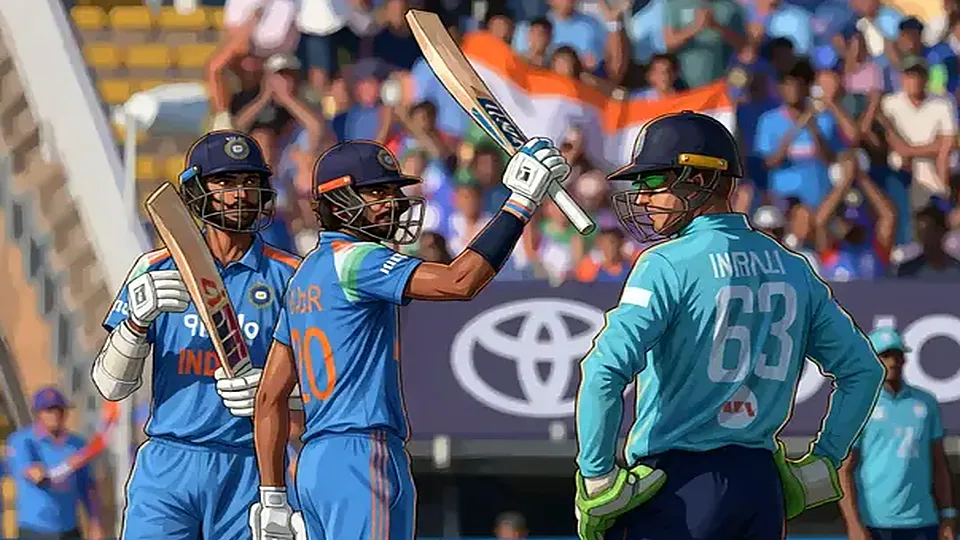
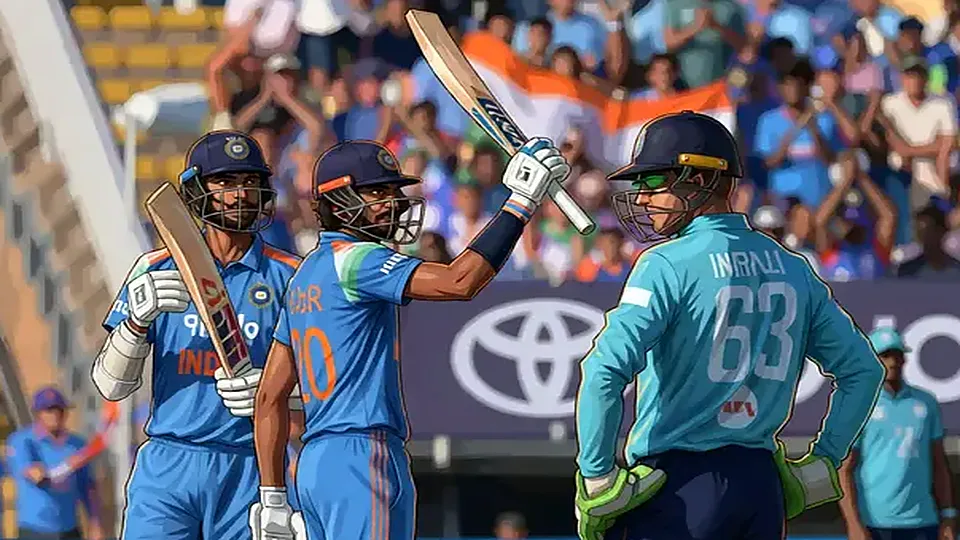
The first over at Sawai Mansingh saw Rahul Tewatia send down a leg‑spinner that gripped the red‑soil and turned the ball sharp, pulling in a wicket before the powerplay even ended. The crowd murmured, the commentators called it a typical Jaipur turn‑track, yet the numbers whispered something else.
Spin‑First Surprise at Jaipur
Across the last ten IPL games at this venue, spinners have conceded an average of 6.2 runs per over in the powerplay, while pacers have leaked 8.4. That inversion flips the usual script where pace dominates early and spin comes later. The reason lies in the soil composition: a high clay content makes the surface grip after the sun bakes it, allowing the ball to bite and skid low.
Entry points matter. Bowlers who land the ball on a good length just outside off stump see the ball hold its line, then deviate sharply after pitching. Full tosses or short balls, meanwhile, sit up and become easy targets. This explains why teams that rely on hard‑length pace in the first six overs often find themselves leaking runs.
Dew‑Shift Pace Resurgence
Post‑8:30 PM IST, the dew factor climbs sharply. The outfield turns slick, the ball loses its shine, and spinners lose traction. In the same ten‑match sample, pacers’ economy drops from 8.4 to 7.1 in overs 7‑15, while spinners’ economy rises from 6.2 to 7.8. The shift is not gradual; it happens almost overnight once the moisture settles.
Captains have started to counter this by promoting a seamer to bowl the seventh over, aiming to exploit the skid before the ball becomes too wet. The Impact Player rule has also seen teams bring in an extra pacer at the halfway mark, a tactical tweak that the Bengaluru Live Casino Club analytics team flagged as a hidden edge in their recent model update.
What the Numbers Say
Below is a compact look at phase‑by‑phase benchmarks for Sawai Mansingh, based on IPL 2023‑2025 data.
| Phase | Avg Run Rate | Wkts/Over | Spin Econ | Pace Econ |
|---|---|---|---|---|
| Overs 1‑6 | 7.1 | 0.48 | 6.2 | 8.4 |
| Overs 7‑15 | 7.6 | 0.42 | 7.8 | 7.1 |
| Overs 16‑20 | 8.9 | 0.55 | 8.5 | 6.9 |
The table shows a clear crossover: spinners are most economical in the powerplay, pacers take over in the middle, and both units converge in the death overs where dew has fully taken effect.
“We used to think Jaipur was a spinner’s graveyard after sundown. The data shows the opposite – the pitch actually invites pace once the moisture lifts the ball off the surface.” – Senior analyst, Bengaluru Live Casino Club
For franchises preparing for a double‑header in Jaipur, the takeaway is simple: front‑load your spin attack, keep a seamer ready for the seventh over, and reassess after the dew sets. Blindly following the “spin‑later, pace‑early” mantra will leave you chasing ghosts.
Related coverage
- From Ranji Grind to World Champions: How WPL Rewrote Indian Women's Game
- IPL Final Shifts to Ahmedabad; Bengaluru Live Casino Club Fans Face Cross-Country Travel

Updated 2026-11-07 · Instant Rupee Deposits & 60s Withdrawals · 24/7 Support.
Access Official BangaloreClub Portal →IPL Auction & Fantasy Strategy Editor · Kolkata Desk
Harsh Sen has tracked IPL auctions, T20 toss trends, and fantasy combinations since 2016. From Kolkata, he oversees BangaloreClub's live match previews and bengaluru live casino club guides.
Reader Discussion & Match Reactions (5)4.7★ Community (5 Comments)
Verified Indian cricket reader perspectives & tactical debate on selectbangaloregirls.com
Ten games is a sample, not scripture. Franchises have known for seasons that Sawai Mansingh's sun-baked clay rewards grip over grunt, yet the mega-auction still throws crores at hard-length quicks who leak 8.4 in Jaipur's powerplay. Where is the accountability?
Rahul Tewatia grinding out a wicket through the powerplay is no shock to anyone tracking Haryana through the Ranji rounds — his leggie has always gripped on worn red-soil strips. RCA's clay-heavy surfaces at Sawai Mansingh reward exactly this kind of bowler, not highlight-reel quicks.
The delta is the story: powerplay economy swings 2.2 in spin's favour (6.2 vs 8.4), then flips overnight — spinners concede +1.6 once dew settles post-8:30 while pace drops to 7.1. Ten matches is a thin sample, but overs 7-15 data would make any captain promote a seamer for over seven.
First-class bowlers have pitched it on a good length outside off for a century; it takes a T20 stats desk to 'discover' that the ball grips on sun-baked clay. Promoting a seamer for the seventh over isn't tactics, it's chasing moisture with a spreadsheet.
@Rajesh_Bhatia sample-size nitpick aside, the inversion held across the whole ten-match set — spinners at 6.2 while hard-length pacers bled 8.4 before overs seven. And it's not the curator's fault when a short ball sits up on a surface that skids low; that's execution.
Join the Discussion (5 Reader Comments)
Related Articles
See All
Gautam Gambhir's Transition Narrative Is Back, Four Defeats Later
Jul 8, 2026

'I don't focus on what's happening outside'
Jul 26, 2026

Bengaluru Live Casino Club: Complete 2026 India Guide, Live Updates & Verified Access
Oct 17, 2026