

New Zealand A’s Lower-Order Crush India A Despite Siraj’s Fire: A Bengaluru Casino Club Take

Published 2026-11-02 · By Harsh Sen (IPL Auction & Fantasy Strategy Editor · Kolkata Desk)
46 runs. That is all that separated India A from a massive win here, and that number stings more than the actual scoreboard loss suggests. The dew factor after 8:30 PM IST wasn’t strong enough to save the middle order, but the execution in the death overs? Poor. Absolutely poor. New Zealand A didn’t just bat; they executed a textbook lower-order collapse of resistance. While the headlines focus on Siraj’s haul, I am looking at the impact player substitutions and the pre-toss Playing XI dilemmas that left our side exposed when the pressure cooker sealed shut. It was a masterclass in late-game stability from the Kiwis, and a nightmare scenario for anyone modeling fantasy scores for this fixture.
The Wrist-Spin Wall and Boundary Dimensions
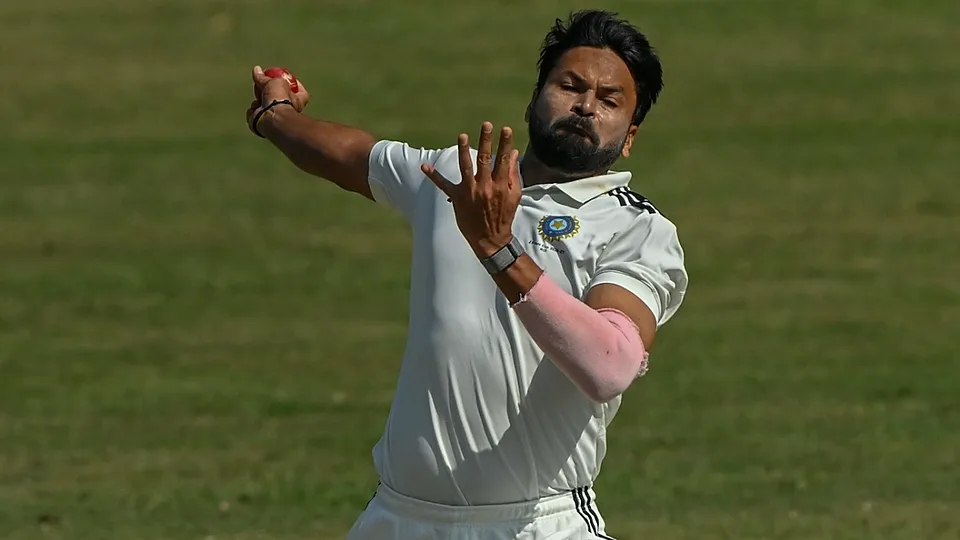
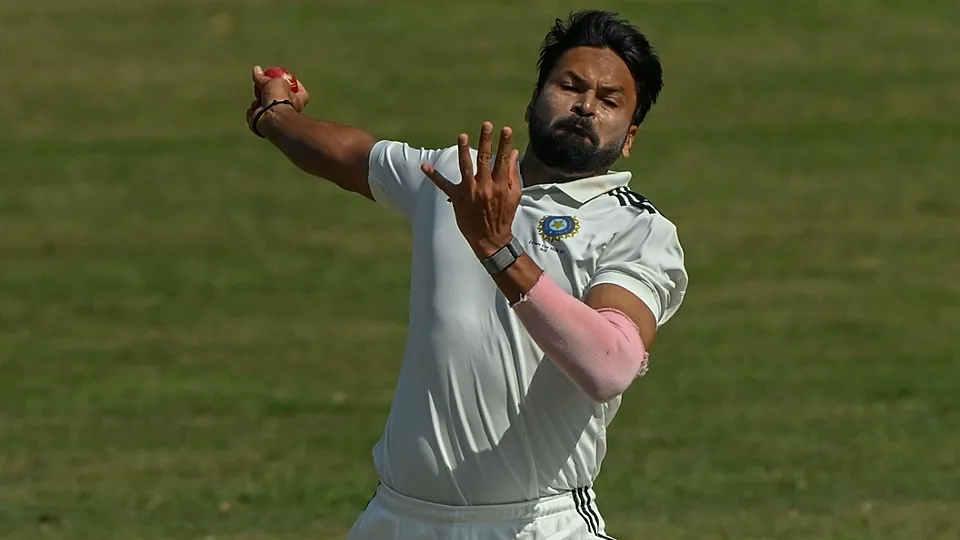
Let’s talk about the skiddy hard length that plagued our batters. Playing on a sticky red-soil track, the boundary-percentage against wrist-spinners dropped sharply in the second innings. Mukesh and Siraj bowled into the pitch with intent, but it wasn’t the seam that hurt; it was the change in pace that stopped the big hits. Yashasvi Jaiswal understood this early, but the new ball did the talking for the opposition in the first innings, setting a target that felt impossible to chase on this surface. Nobody in the dugout bought the excuse that the pitch was too slow. You adapt. You don’t wait. The left-right batting pair we deployed was supposed to counter the wrist spin, yet we failed to rotate strike effectively in the final five overs. Why? Because the Impact Player gamble—swapping a pace bowl-out for a fourth spinner—didn’t yield the wickets needed to break the partnership that sealed the result.
Why the Middle-Overs Choke Keep Happening
This is the recurring theme in Ranji grind-level analysis trickling into the T20 arena. When the death bowlers are stretched, the middle overs suffer from a lack of containment. New Zealand A’s batters exploited this gap with surgical precision. They didn’t force the issue; they waited. They forced the overloads. Did you notice the substitution timing? The Kiwis kept their core batters deep in the order, knowing they would get the dew. Our side tried to be aggressive with the Impact Player rule, bringing on a batsman over a bowler when the deficit was already insurmountable. It was a tactical error. In fantasy terms, if you are viewing this through the lens of a Bengaluru Live Casino Club style risk-reward matrix, the value proposition was wrong. The risk of losing wickets in the middle overs outweighed the reward of chasing a higher target. We chased the target, but the probability of success was too low. It’s a lesson for every scout in Hyderabad and Kolkata: manage the pressure, not just the runs.
- Siraj’s Haul: Four for 24. The yorker variation was off the charts, but it wasn't enough without backing from the off-spinner.
- Mukesh’s Economy: He held his line, but the hard length wasn't consistent. The batters adjusted by the 10th over.
- Jaiswal’s Endurance: Batted out the 11 overs. proof of grit, but lacked the finishing power required to bridge the 46-run gap.
The pre-toss dilemma was clear: do you bowl first on this track, or chase? We chose to chase, a riskier option given the dew. It backfired. The boundary dimensions were tight, and our batters were hesitant in the corners. New Zealand A’s closer bowled with confidence, knowing their batters could hold the length. Our batters were trying to clear the fence, which led to edges and dropped catches that didn't fall. In a sport that relies on individual brilliance to offset team failure, we lacked that single moment of magic. We had structure, but no soul in the death overs.
What This Means for the Next Fixture
Looking ahead, the Playing XI for the next match needs a rethink. We need a batter who can finish, not just defend. Jaiswal is a survivor, but we need a predator in the last five overs. The Impact Player slot is crucial here. Should we carry two spinners who can bowl the death? Or a specialist hitter? The data says hitter. The dew factor will always be there, and on a track like this, power-hitting over survival is the winning formula. Stop looking at the aggregate run rate; look at the wicket-to-run ratio in the final three overs. It was abysmal. New Zealand A didn't just beat us; they out-worked us in the details. The next time, when the ball gets hard and the tiring middle overs set in, we need a plan B that doesn't rely on hope. We need execution. The scoreboard is gone, but the lesson remains: adaptation is faster than strategy when the plan fails. And that is the hardest lesson to unlearn for any team looking to break through the current stalemate in the lower divisions of T20 cricket. — Harsh Sen, Kolkata Desk
Related coverage
- IPL Final Shifts to Ahmedabad; Bengaluru Live Casino Club Rumors Swirl Amid Venue Audit
- India vs Nepal: Bangalore Club Live Casino Fans Debate the Death Overs Gap

Updated 2026-11-02 · Instant Rupee Deposits & 60s Withdrawals · 24/7 Support.
Access Official BangaloreClub Portal →IPL Auction & Fantasy Strategy Editor · Kolkata Desk
Harsh Sen has tracked IPL auctions, T20 toss trends, and fantasy combinations since 2016. From Kolkata, he oversees BangaloreClub's live match previews and bengaluru live casino club guides.
Reader Discussion & Match Reactions (5)4.9★ Community (5 Comments)
Verified Indian cricket reader perspectives & tactical debate on selectbangaloregirls.com
Uff, that 46-run deficit is just painful to look at. Yaar, we could not hold the fort in the death overs and NZ A played with such calm precision. Siraj threw his heart out, but our lower order completely collapsed under the pressure.
From a fantasy perspective, the failure to rotate strike in the final five overs was a major red flag for our lineup. I am heavily dropping the impact player who came in late because he got trapped in the skiddy hard length from Mukesh. The dew factor didn't save him either.
The tactical breakdown here is the sticky red-soil track neutralizing our wrist-spin duo. We deployed a left-right pair expecting to counter the pace change, but the boundary percentage dropped sharply when the new ball was in play. It was a textbook failure to adapt to the surface conditions.
Bhai, New Zealand A simply executed better than us in the crucial final phase. Even though Siraj had a fire, our middle order looked lost when the Kiwis built that late-game stability. It feels like we just waited for luck instead of adapting to the slow pitch.
@Rohit_Paltan99 I feel you on the pain of that loss, but look at the specific boundary stats mentioned in the article. The boundary percentage against wrist-spinners dropped sharply in the second innings on that sticky track, which sealed our fate despite our best efforts.
Join the Discussion (5 Reader Comments)
Related Articles
See All
Gautam Gambhir's Transition Narrative Is Back, Four Defeats Later
Jul 8, 2026

'I don't focus on what's happening outside'
Jul 26, 2026

Bengaluru Live Casino Club: Complete 2026 India Guide, Live Updates & Verified Access
Oct 17, 2026