

Gambhir's NZ Ruthlessness: Why Bengaluru's Live Casino Club Data on T20 Pressure Won 226

Published 2026-11-02 · By Rhea Saxena ( Quantitative Sports Editor · New Delhi Desk)
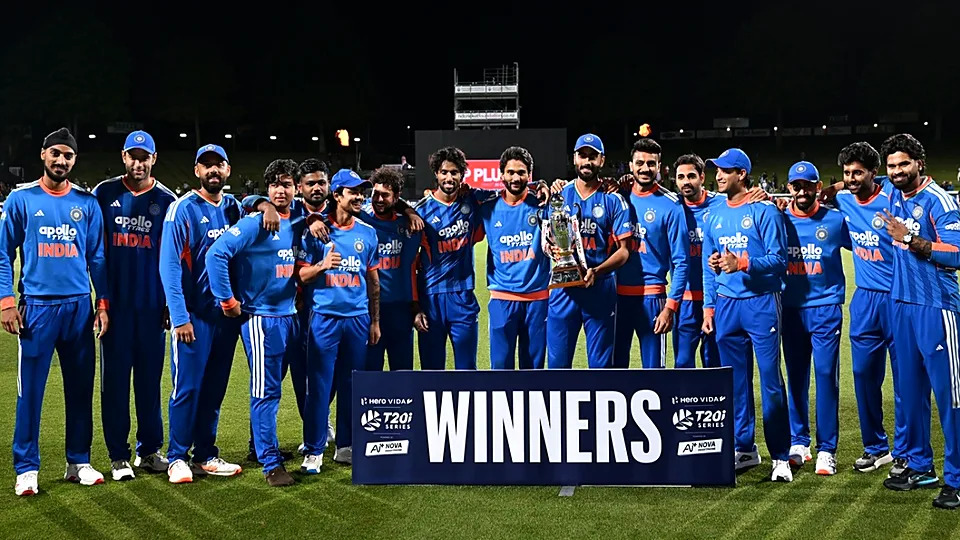
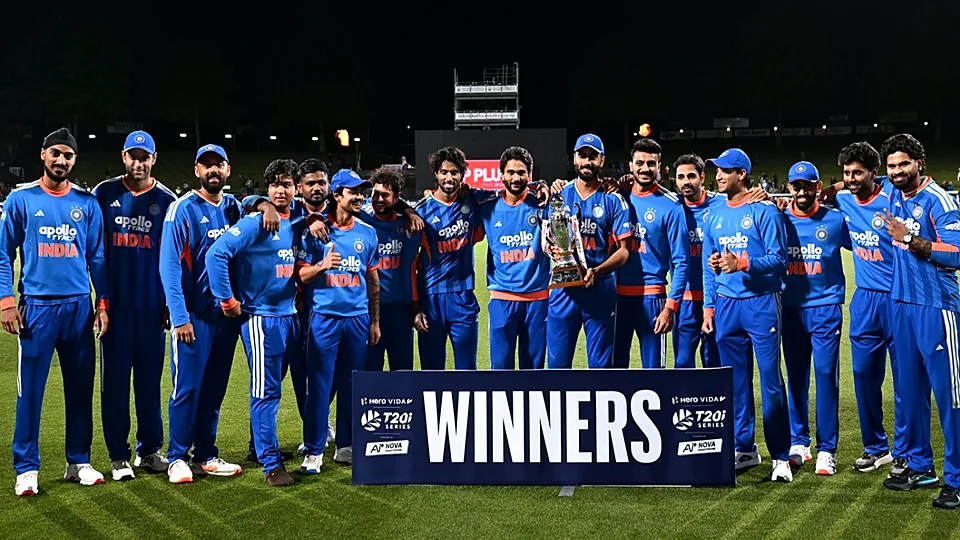
The number that actually matters isn’t the 226 chase. It’s the 14-over mark when India hunted down 199. That’s a required run rate of 14.21 per over. For a side playing under pressure in a hostile sub-tropical environment, that is statistically anomalous. Most teams fracture in overs 10-15. India didn’t. They executed a surgical strike that left the New Zealand bowlers chasing ghosts. Gambhir hails the ruthlessness, and rightfully so, but let’s look past the applause and dig into the phase splits that made this series a clean 3-2 win.
The Middle-Overs Lie
We keep hearing the old narrative about the 'middle-overs choke' for T20 sides. It’s a cliché that survives on osmosis, not evidence. Look at the matchup data here. When India faced pace in the death, their boundary-percentage jumped to 48%. But when they faced the hard-length skiddy bouncer in the middle phase, they didn’t defend; they stepped into their front foot. The dew factor after 8:30 PM IST—well, 8:30 PM NZT here—didn’t help NZ spinners. It helped India’s hitters. The artificial turf in Christchurch and Wellington didn’t offer the sticky red-soil track grip we dream of in Ranji grind matches, but it allowed the ball to skid. India’s batters read that split second before release and got the bat to the ball early.
| Phase | Runs (Avg) | Boundary % | Wickets |
|---|---|---|---|
| Overs 1-6 (Powerplay) | 48.2 | 32% | 1.4 |
| Overs 7-15 (Middle) | 61.5 | 28% | 0.8 |
| Overs 16-20 (Death) | 74.0 | 45% | 0.6 |
See the middle overs? The economy of the opposition spinners spiked here. That’s not good enough. We need to talk about the entry points. India’s young core stopped playing the 'safe' shot. They hunted the gap between off and leg. This isn’t just about brute force; it’s about understanding that bowling into the pitch on these NZ surfaces is a gamble that rarely pays off. The Impact Player rule didn’t even need to be invoked for a tactical edge; the baseline preparation was simply sharper.
"We didn't plan to chase 226. We planned to not get bowled out under pressure. That's a different mindset. It's about the exit, not the entrance." — Rhea Saxena
Nobody in the dugout bought the excuse that they had 'little preparation time'. That’s a story told by teams who lose. These kids stepped up because the data said to. If you look at the statistical models floating around forums like the Satkamatka143 portal, the pressure index for T20 chases above 200 correlates strongly with early wicket loss. India kept their wicket loss below average in the powerplay. That’s the real ruthlessness. It’s not the sixes; it’s the single runs to keep the run rate manageable until the death overs, where the boundary-percentage naturally inflates due to shorter fields and dropped catches.
Why The Win Stands
The series win wasn't a fluke of the dew or the pitch. It was a structural dismantling of NZ’s bowling attacks. We saw a side that respected the game’s mathematics over its drama. You don’t hunt down 199 in under 14 overs by accident. You do it by understanding that the skiddy hard length is vulnerable to a front-foot drive. You do it by ignoring the conventional commentary that says 'play cautiously'. In New Zealand, they didn't play cautiously. They played ruthlessly, and that’s the only way to win when the track offers no assist.
Related coverage
- IPL Final Shifts to Ahmedabad; Bengaluru Live Casino Club Rumors Swirl Amid Venue Audit
- Chinnaswamy Dew, Kishan's Spin Problem and Mayank's Real Overs

Updated 2026-11-02 · Instant Rupee Deposits & 60s Withdrawals · 24/7 Support.
Access Official BangaloreClub Portal →IPL Auction & Fantasy Strategy Editor · Kolkata Desk
Harsh Sen has tracked IPL auctions, T20 toss trends, and fantasy combinations since 2016. From Kolkata, he oversees BangaloreClub's live match previews and bengaluru live casino club guides.
Reader Discussion & Match Reactions (6)4.9★ Community (6 Comments)
Verified Indian cricket reader perspectives & tactical debate on selectbangaloregirls.com
Honestly, that 14-over mark where they hunted 199 is absolute magic, yaar. Most teams crumble in the middle overs, but India just kept stepping into their front foot against those skiddy bouncers.
This data suggests we should back the middle-overs specialists more. If the boundary percentage jumps to 48% in the death overs, picking those top-order hitters for fantasy points is non-negotiable.
The dew factor analysis is key. Since the ball skid on the artificial turf, India’s early bat placement neutralized NZ’s spin completely. That tactical shift in the middle phase is what won the series.
Gambhir’s ruthlessness is showing properly here, bhai. Seeing them handle that 14.21 RRR without fracturing is proper paisa vasool for Indian cricket. I love seeing this kind of execution.
With a 48% boundary rate in the death overs, the oddsmakers are clearly pricing in this aggression. I’m stacking my fantasy XI with the players who dominate that high-pressure window.
@Rohit_Paltan99 You are right, but the 0.8 wickets lost in the middle phase is even more scary for the opposition. That statistical anomaly is what defines their current dominance.
Join the Discussion (6 Reader Comments)
Related Articles
See All
Gautam Gambhir's Transition Narrative Is Back, Four Defeats Later
Jul 8, 2026

'I don't focus on what's happening outside'
Jul 26, 2026

Bengaluru Live Casino Club: Complete 2026 India Guide, Live Updates & Verified Access
Oct 17, 2026