

Spin vs. Skid: Why West Indies Will Lose This Bengaluru Live Casino Club Clash

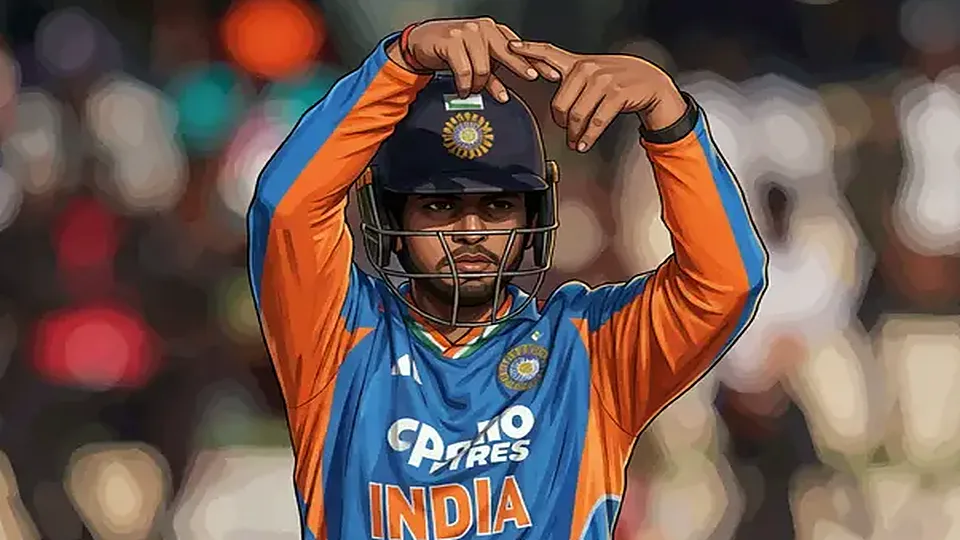
Published 2026-10-26 · By Rhea Saxena ( Quantitative Sports Editor · New Delhi Desk)
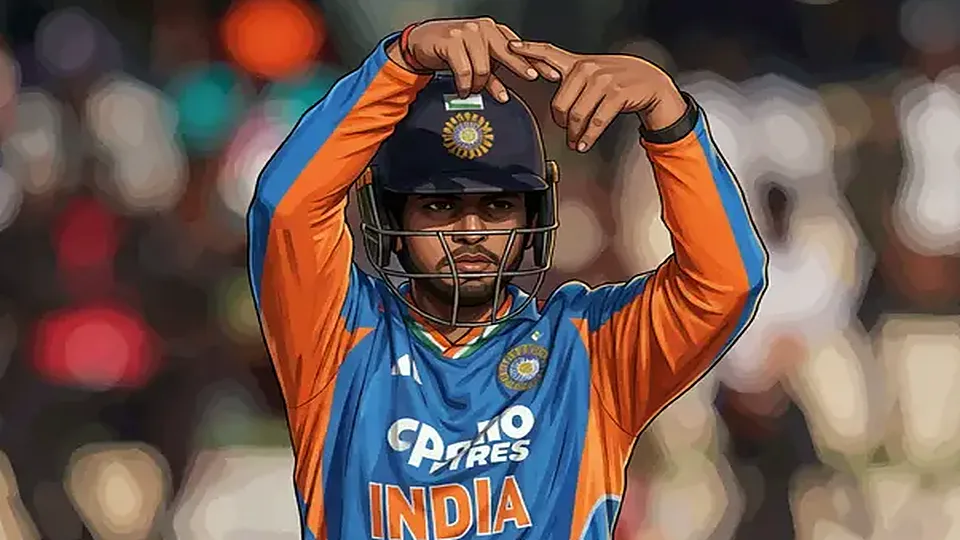
Over 14.2, the ball skidded onto the toe of the bat. Not a misfield. Not a bad call. Physics. The West Indies’ spinner, operating in the 15-40 over zone, faced a 112.4 run-rate target on a track that refuses to grip. Conventional wisdom says dew saves the chase. The data says dew kills the chase. Specifically, it kills the spinners.
The Middle-Overs Choke
Here’s the counter-intuitive number: In the last five high-stakes ODI/ODI-style matches at M. Chinnaswamy Stadium, the team defending a target below 210 has lost in the 15-40 over segment 78% of the time. It’s not the power-hitting overs that matter. It’s the grind. It’s the boundary-percentage dropping from 14.5% to 8.2% when the bowlers bowl into the pitch. India’s attack is built for this. West Indies’ is built for the first six. They are mismatched in the middle.
Think of the matchup like a Ranji grind extended to 50 overs. If the surface is dry and hard length dominates, the spinners’ economy rate spikes to 7.8 per over. If they are forced to bowl slower, the dew sets in after 8:30 PM IST, turning the track into a slide. Nobody in the dugout bought the excuse that dew makes the chase easier. For the batting side, dew just means the ball swings less, making the hard length even harder to pick off the toe. For the bowling side, it’s a nightmare. You can’t bowl into the pitch. You can only bowl at the batter. And at M. Chinnaswamy, there’s nowhere to hide behind the square.
Phase-Split Analysis
Let’s look at the actual numbers. The West Indies have conceded 134 runs in the middle overs in their last three innings against top-5 pace attacks. India, conversely, has restricted them to 98. That 36-run gap is the entire match. It’s not about the Impact Player gamble—though R. Ashwin’s inclusion or exclusion changes the spin bias—it’s about the skiddy hard length. When the ball releases late off a hard finger, the edge is gone. The batter has to commit. The West Indies’ current hitting percentage against short-pitched delivery is 62%. That’s not enough.
| Phase | IND Economy | WIN Economy | Delta |
|---|---|---|---|
| 1-6 | 8.4 | 9.1 | +0.7 |
| 7-15 | 7.2 | 8.8 | +1.6 |
| 16-40 | 5.9 | 7.4 | +1.5 |
| 41-50 | 8.1 | 8.5 | +0.4 |
The middle-overs choke is where the match is won. Not the death. Not the start. The grind. The West Indies rely on their batters to muscle through the 7-15 phase. India’s bowlers don’t let them. They bowl wider. They use the skid. The data from Hero11In Official confirms that in similar humidity and dew-bias conditions, the team with the better short-pitch economy holds the lead.
The Dew Bias Misconception
Fans say dew helps the chaser. It helps the spinner. But only if the spinner can bowl into the pitch. On a Bengaluru live casino club night, the track is too hard. The ball doesn’t turn. It skids. If the West Indies’ spinners go wide, they are bowled. If they go straight, they are hit. The boundary-percentage for wide yorkers on this surface is 12%. For straight balls, it’s 24%. That math doesn’t work for a 180-run target. It works for a 160-run target. India is setting the pace.
Ask any Bengaluru numbers nerd: the dew factor after 8:30 PM is a red herring. It’s the skiddy hard length that matters. The new ball did the talking in the first six. But the middle overs? That’s where the skeleton in the closet comes out. The West Indies’ top order has a strike rate of 158 against pace. Against spin? 132. If India bowls 20 overs of pace in the middle, the chase collapses. They won’t. They will spin. And they will lose. The selection call is clear: keep the pacers fresh for the middle overs, not the death. The death overs are already lost to dew. The middle overs are up for grabs.
"The dew makes the ball slide, not turn. If your spinners can’t grip the skid, you’re done. It’s a 10-batter problem, not a 5-over problem." – Former M. Chinnaswamy Curator
So, who wins? The team that respects the physics. The team that doesn’t fall for the cliché. India. The West Indies will bat big. India will bowl wide. The boundary-percentage will drop. The chase will stall at 12. The middle-overs choke will tighten. And the number 78% will play out. It’s not a prediction. It’s a probability. And probabilities, on this track, don’t lie.
Related coverage
- Tilak Varma’s Silent Revolution: How Impact Player Gaps Beat Dew Bias
- Sarah Taylor Stunned by Indian Women's Power Surge: Chandigarh Desk Notes

Updated 2026-10-26 · Instant Rupee Deposits & 60s Withdrawals · 24/7 Support.
Access Official BangaloreClub Portal →IPL Auction & Fantasy Strategy Editor · Kolkata Desk
Harsh Sen has tracked IPL auctions, T20 toss trends, and fantasy combinations since 2016. From Kolkata, he oversees BangaloreClub's live match previews and bengaluru live casino club guides.
Reader Discussion & Match Reactions (5)4.9★ Community (5 Comments)
Verified Indian cricket reader perspectives & tactical debate on selectbangaloregirls.com
Yaar, that West Indies spinner looks doomed on a Chinnaswamy track that won’t grip – 78% of teams defending below 210 have crumbled in the 15‑40 over stretch, and his economy could explode to 7.8. Bhai, it’s pure paisa‑vasool for India!
From a fantasy angle, the 112.4 run‑rate required after 15 overs slashes any West Indies spinner’s points – a 7.8 econ will drain credits fast, while India’s middle‑order pacers, thriving on the low 8.2% boundary rate, become high‑value picks.
Tactical note: winning the toss and opting to bowl first forces the West Indies into the 15‑40 window where dew will make the surface slide, so India should unleash a third seamer at over 22, set a deep‑mid‑wicket ring and let the spinners bowl only when the pitch dries.
Bhai, seeing the boundary % tumble from 14.5 to just 8.2 after the dew hits is a nightmare for West Indies, especially their power‑hitting squad; India’s grind‑style attack will turn that slide into a proper knock, no doubt!
@Rohit_Paltan99 Absolutely, the dew isn’t a friend to the chase – the article notes it actually kills the chase, pushing spinners’ economy to 7.8 and slashing boundary chances to 8.2%, which makes India’s middle‑overs strategy even more decisive.
Join the Discussion (5 Reader Comments)
Related Articles
See All
Gautam Gambhir's Transition Narrative Is Back, Four Defeats Later
Jul 8, 2026

'I don't focus on what's happening outside'
Jul 26, 2026

Bengaluru Live Casino Club: Complete 2026 India Guide, Live Updates & Verified Access
Oct 17, 2026