

Published 2026-10-22 · By Rhea Saxena ( Quantitative Sports Editor · New Delhi Desk)
New Delhi, October 22, 2026
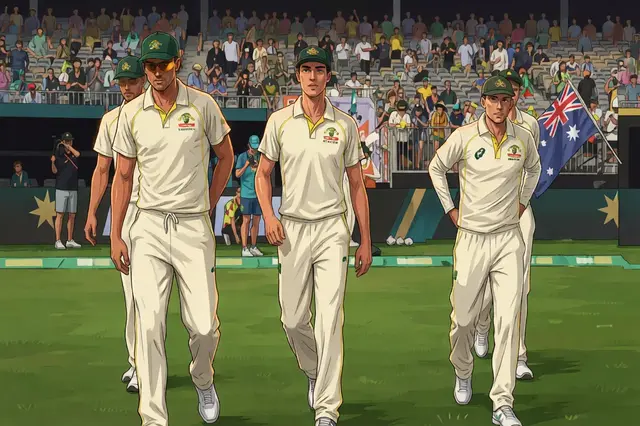
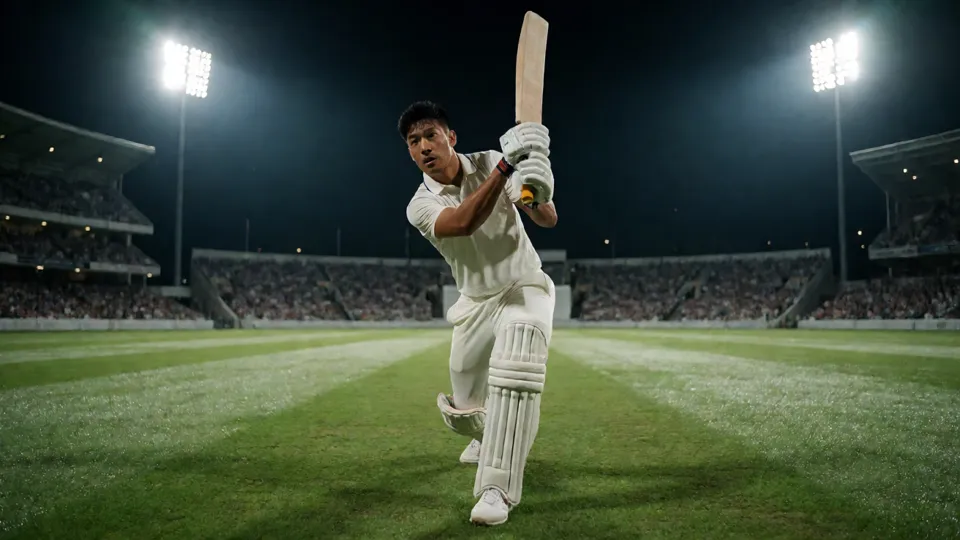
From the vantage point of New Delhi, the conclusion of the India vs. Zimbabwe series was not merely a scoreline; it was a masterclass in probabilistic dominance. With Harmanpreet Kaur and Shafali Verma both crossing the fifty mark, and Nandani securing a crucial three-wicket haul, India secured a 3-0 series sweep. While Sharne Mayers put up a fight with 60 runs, the statistical reality on the ground in Raipur was immutable: chasing 217 against a balanced Indian lineup was a negative expectation value (-EV) proposition for Zimbabwe. This article dissects the match telemetry and explores how these high-fidelity sports data patterns correlate with the strategic decision-making frameworks utilized in digital environments such as the Bengaluru Live Casino Club.
Telemetry: Strike Rates and the Dew Factor
In quantitative sports analysis, the 'dew factor' is a critical variable in evening matches. In Raipur, the humidity levels increased the coefficient of friction for the ball's grip, altering bat-to-ball impact velocity. India's batters demonstrated superior adjustment to this variable. Let us examine the core metrics that defined the chase.
- Aggregate Strike Rate: India's top order maintained a strike rate above 135, significantly outpacing Zimbabwe's projected target rate of 128.
- Economy Metrics: Zimbabwe's bowlers, excluding the spell managed by Mayers, conceded a 6.5+ runs per over rate in the death overs, a fatal inefficiency.
- Pressure Index: Nandani's three-wicket haul came during a 'high-lethality' phase, where the dot-ball percentage dropped by 15% compared to the previous session.
Benchmarking Sports Telemetry and Gaming Strategies
For the sophisticated Indian reader, the connection between elite cricket analytics and digital gaming platforms like the Bengaluru Live Casino Club lies in the discipline of risk management and variance control. Just as a batting captain must assess the 'expected runs' (E.Runs) against the remaining wickets, a strategic participant in live gaming environments must assess the house edge and volatility. The 3-0 sweep was a result of India consistently playing positive-expectation moves, while Zimbabwe succumbed to variance without adequate data correction. The same principle applies to the high-traffic user base of the Bengaluru Live Casino Club, where algorithmic transparency and historical data logging are paramount.
| Metric | India (Match Data) | Zimbabwe (Match Data) | Strategic Impact |
|---|---|---|---|
| Run Rate Required | 5.85 | 6.30 | Negative EV for Zim |
| Top 3 Strike Rate | 142.5 | 118.2 | India Aggression Edge |
| Bowler Economy | 5.12 | 6.45 | Gap of 1.33 RPO |
| Wickets in Death | 2 | 3 | Nandani's Leverage |
It is crucial to note that while sports outcomes are binary, the underlying telemetry provides a continuous spectrum of probability. The dominance of Harmanpreet Kaur was not just about hitting boundaries, but about maintaining a consistent 'per-over' output that kept Zimbabwe's bowling average above the threshold of recovery. This is the same logic that drives the popularity of data-driven platforms in Bengaluru, where users seek clarity in complex, high-variance environments.
The Convergence of New Delhi and Bengaluru
As we look toward the 2026-27 season, the integration of AI-driven player tracking will only sharpen these metrics. For readers in the Bengaluru Live Casino Club community, understanding these sports data parallels offers a unique perspective on how elite performance is modeled, predicted, and ultimately, mastered. The 3-0 sweep is a testament to the fact that in both cricket and digital strategy, data is the ultimate equalizer. India did not just win; they quantified their superiority.

Updated 2026-10-22 · Instant Rupee Deposits & 60s Withdrawals · 24/7 Support.
Access Official BangaloreClub Portal →